Introduction
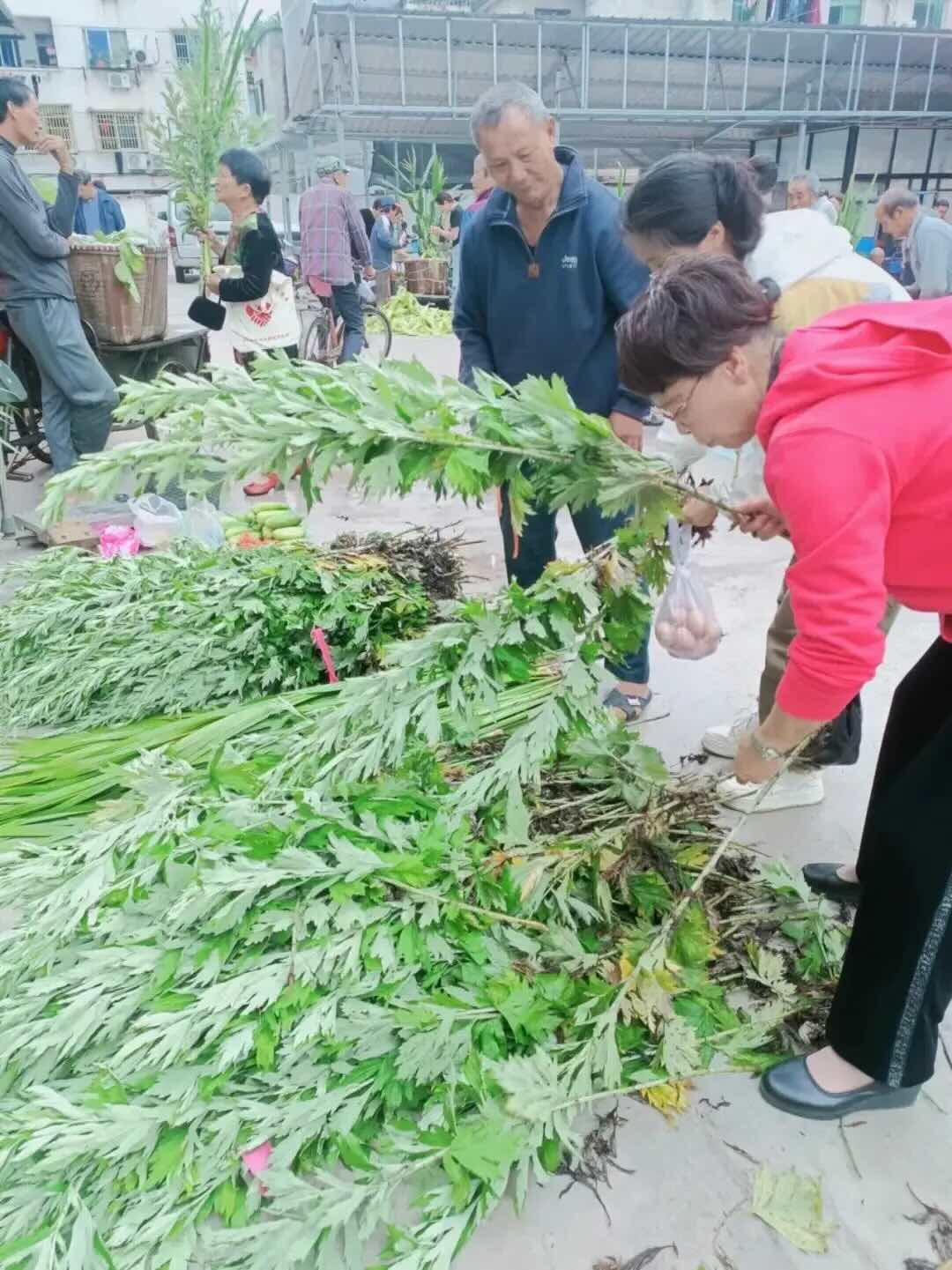
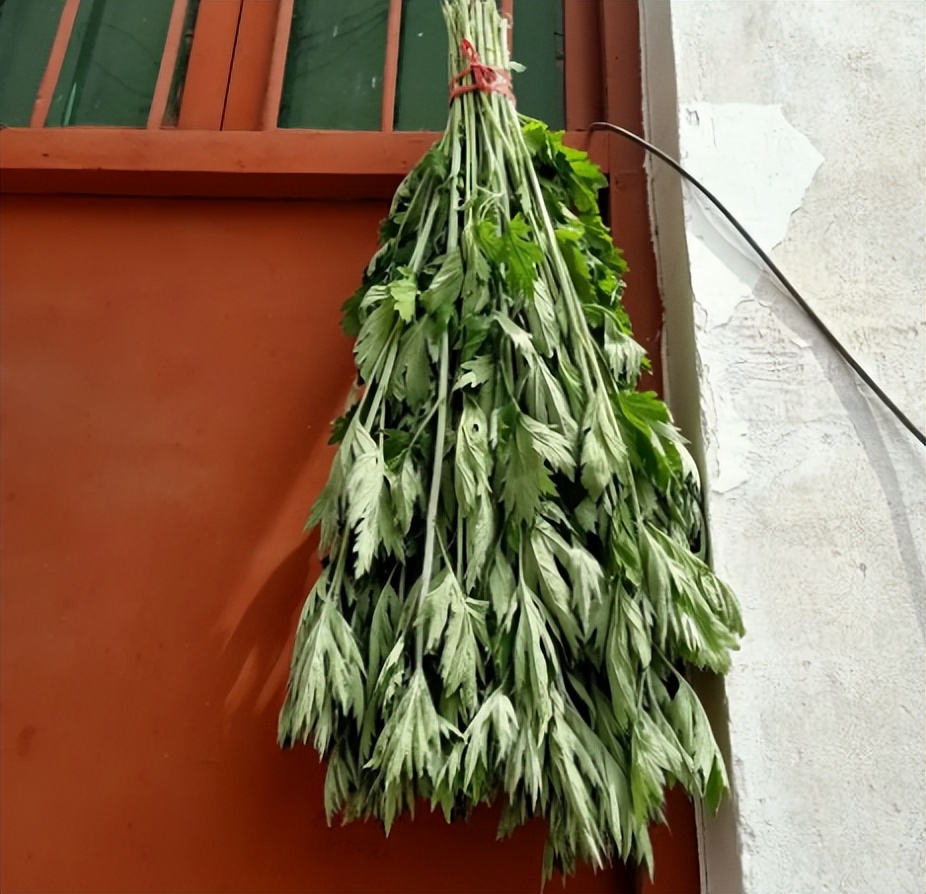
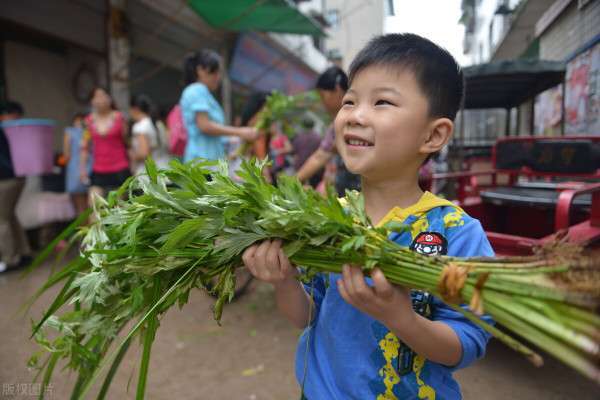
I have always lived beside plants I did not know how to name. Growing up in China, mugwort (Artemisia vulgaris) was a seasonal fixture — its grey-green smell rising from the kitchen during the Duanwu Festival, its leaves bundled by doorways, its name familiar in the mouths of grandmothers who knew its uses before they knew its taxonomy. And yet I never truly looked at it. It was simply there, the way many things are simply there when they belong to the world you were born into.
Introduction
I have always lived beside plants I did not know how to name. Growing up in China, mugwort (Artemisia vulgaris) was a seasonal fixture — its grey-green smell rising from the kitchen during the Duanwu Festival, its leaves bundled by doorways, its name familiar in the mouths of grandmothers who knew its uses before they knew its taxonomy. And yet I never truly looked at it. It was simply there, the way many things are simply there when they belong to the world you were born into.
It was only after I immigrated to New York that I began to see mugwort — really see it — pushing through sidewalk cracks, sprawling along the margins, volunteering itself in the overgrown corners of parks that the city could not be bothered to tend. I encountered it again through foraging walks, through film developing experiments, through conversations about weeds and want and belonging. That second encounter, on foreign soil, made visible what familiarity had always obscured: mugwort is itself a migrant, carried across oceans by forces it did not choose, labeled invasive in a land that was already someone else's before it was anyone's to claim.
This project takes that encounter as its starting point. It is a research and art-making practice that uses mugwort as a living archive — of colonial movement, of diasporic memory, of the porous boundary between the botanical and the political. It is grounded in the conviction, borrowed from Anna Tsing's The Mushroom at the End of the World, that the most generative mode of inquiry proceeds through entanglement, encounter, and attention to precarity: those conditions under which life, human and nonhuman alike, continues against the odds. It is shaped by Jessica J. Lee's Dispersal — her invitation to weave the personal alongside the nonhuman, to let the essay follow a seed's logic rather than an argument's — and by Donna Haraway's call to make kin across species difference, to understand kinship not as a given but as a practice of care and recognition.
As a fellow with the Media + Migration Lab's Migration Mapping project, I am interested in the specific question this plant poses to the field: What happens when we treat an invasive species not as a problem to be managed, but as a medium through which migration's histories are recorded and transmitted? Mugwort does not narrate its crossing; it carries it chemically, in its roots and volatile oils and the particular way it finds purchase in disturbed ground. This project asks what it means to learn to read those records — and to make new ones with it.